


Iran Is Not Weak. Stop Pretending It Is.
Iran is not a paper tiger. It is not a brittle regime one protest cycle away from collapse just because Western media gets excited when videos of burning hijabs hit social feeds. That fantasy is dangerous.
Iran is a hardened, adaptive, ideologically driven state that has spent decades preparing for one thing: survival through conflict. Its system is built to absorb pressure, crush dissent, destabilize enemies, and fight a long, ugly regional war that it believes favors patience, attrition, and political exhaustion.
That model has worked for them before, and they believe it will work again.
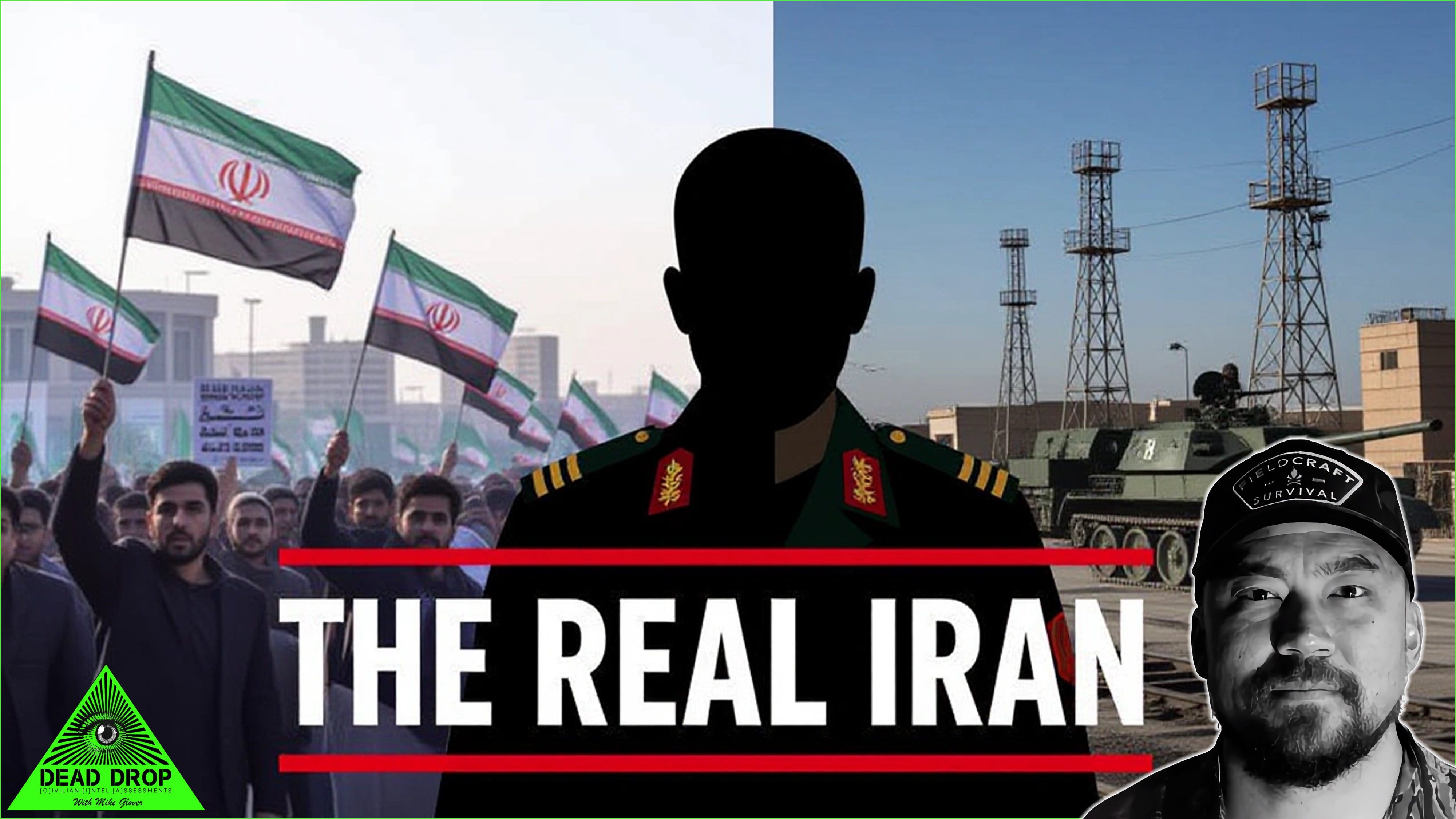
DISCLOSURE: This post contains affiliate links. If you make a purchase through them, we may earn a small commission at no extra cost to you. This helps keep our work independent. Thank you for your support.
Protest Crackdowns Are Not a Sign of Collapse
In recent weeks, Tehran blamed the Trump administration and the United States for “orchestrating” unrest that left more than 3,000 Iranians dead. The rhetoric was heated. Threats of retaliation were loud. Then the temperature appeared to drop.
That pause was not weakness.
It was classic Iranian strategy. Absorb the shock. Apply overwhelming internal force. Restore control. Posture externally. Then quietly reposition for the next phase.
Iran does not lash out emotionally. It stabilizes first, then recalculates.

Iran’s Military Is Built for Regional War, Not Parades
Iran’s conventional forces are often dismissed because they do not resemble NATO militaries. That comparison is irrelevant.
Between the regular Iranian army and the Islamic Revolutionary Guard Corps, Tehran fields roughly 600,000 active personnel, backed by hundreds of thousands of reserves and Basij paramilitary forces. Their air force is dated but functional for regional defense. Their navy is purpose-built for asymmetric warfare in the Persian Gulf. Their missile forces are among the largest and most capable in the Middle East.
Iran is not trying to win a beauty contest. It is trying to make war costly.
Missiles, Drones, and Special Operations Are the Real Threat
Iran’s true strength is not tanks or fighter jets. It is missiles, drones, and special operations.
They possess thousands of short- and medium-range ballistic missiles capable of striking every U.S. base in the region, Israel, and large portions of southern Europe. These systems are not symbolic. They are operational, drilled, and embedded in hardened underground infrastructure specifically designed to survive preemptive strikes.
Their drone program has matured into a global export enterprise. Shahed and Mohajer platforms are cheap, expendable, and lethal. They overwhelm air defenses through saturation and persistence. Ukraine has already shown the world how effective these systems can be against technologically superior militaries.

The Quds Force Builds Wars, Not Raids
At the center of Iran’s external power is the Quds Force, the IRGC’s expeditionary arm.
This is not a Western-style commando unit. It is a hybrid organization combining special operations, intelligence, political warfare, and insurgency management. The Quds Force does not conduct isolated missions. It builds durable proxy armies.
Hezbollah in Lebanon. The Houthis in Yemen. Shiite militias in Iraq and Syria. Hamas and Palestinian Islamic Jihad.
These are not loosely affiliated groups. They are trained, funded, armed, and strategically guided by Iranian operators. This gives Tehran a deniable, scalable, multi-front strike capability that no other regional power can match.
