


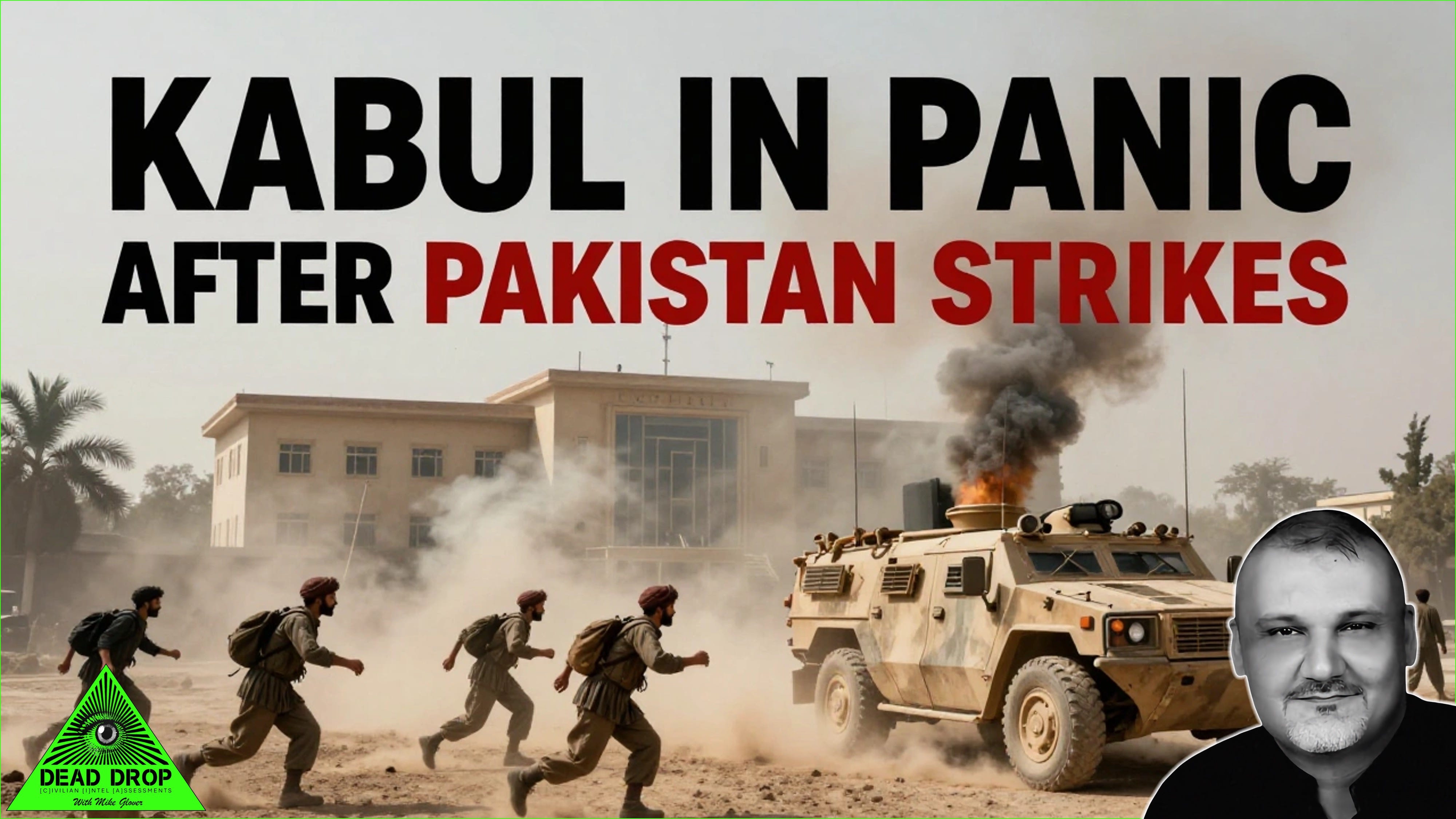
In the early hours of February 21, 2026, Pakistan fulfilled another threat made against the terrorist Taliban regime in Afghanistan, sending shockwaves across a region already on high alert.
While the Pakistan Air Force and UAVs launched attacks on 7 terrorist camps and training facilities spread along the Pakistan-Afghanistan border, the Taliban was awakened to the fact that Pakistan was not being facetious in its threats of punitive damage.
As expected, the Taliban cried foul claiming innocent civilians had been targeted, terrorist right organizations and pro-Taliban political parties in Pakistan were quick to condemn the comprehensive strikes on the terror camps.
Pakistan’s Kinetic Strikes on Afghanistan
In October 2025, Pakistan launched a multi-day campaign with both the Pakistan Air Force and UAVs targeting terror camps along the border and carrying out decapitation strikes in Kabul, Kandahar and other areas of Afghanistan where Taliban leadership was known to be hiding. While the decapitation strikes were not successful, the number of terror camps that were decimated from the Pakistan border to Kandahar represented Pakistan’s first campaign, which was so extensive against the Tehreek-e-Taliban Pakistan (TTP), its leadership and the Afghanistan Taliban leadership.
The strikes inside Afghanistan were only stopped when Qatar, Turkey, Saudi Arabia, and China involved themselves as mediators, both publicly and in backchannels. Pakistan held to a basic demand – stop the Tehreek-e-Taliban Pakistan and their affiliated groups from crossing the border to attack Pakistan or face consequences.
Most of our regular followers on social media and viewers on Survival Dispatch News will recall during the October 2025 kinetic strikes on terror camps in Afghanistan, CommandEleven argued, first, the cessation of kinetic strikes was a mistake. The Taliban was stuck in a position where they would either give up their support for the multiple terror groups targeting Pakistan from Afghanistan’s soil, with Taliban support.
Those terror groups included, but are not limited to, the Tehreek-e-Taliban Pakistan (TTP), Jamaat-ul-Ahrar (JuA), Hafiz Gul Bahadur Group (HGBG), the Islamic State Khorasan Province (ISKP), Majlis-e-Askari Karwan (MEK), Ittihad-ul-Mujahideen Pakistan (IUMP), the Baluchistan Liberation Army (BLA, and all their affiliates and paper organizations, created to strike Pakistan without being claimed by the major terror groups.
All of these groups have deep inroads with the Taliban leadership, support from al Qaeda and Haqqani Network command based in Afghanistan.
Since the October 2025 kinetic strikes, the TTP, HGBG and affiliated groups have carried out guerrilla warfare attacks on Pakistan’s military convoys, installations and soldiers, as well as law enforcement spread across Khyber Pakhtunkhwa (KPK) and Baluchistan. In the past month, ISKP became active again, targeting a Shia Mosque in Islamabad, the nation’s capital.
Recent Kinetic Attack
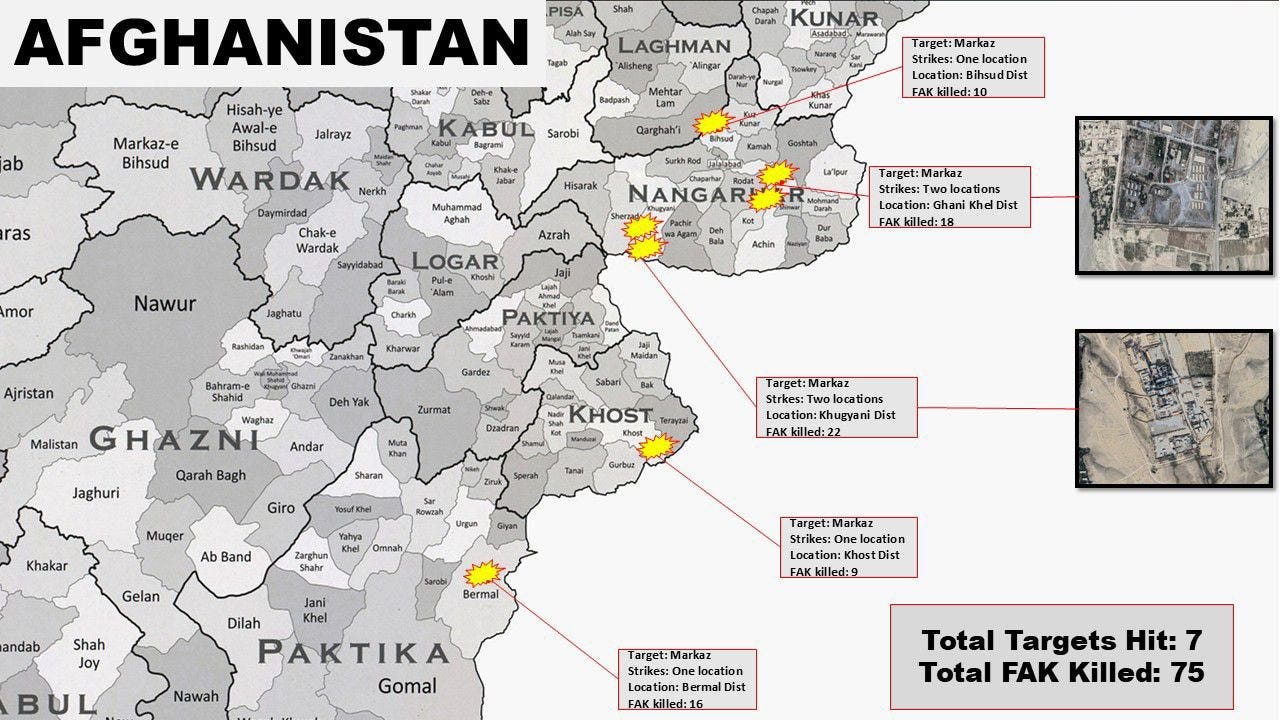
On 22 February, Pakistan’s selective and intelligence-based kinetic strikes were directed at the following targets in Paktika, Nangarhar, and Khost:
- Urgun and Murgha (Paktika province) – 2 TTP bases and another unit based in a local clinic
- Barmal – a madrassa (religious school) being used by the Taliban’s “Special Brigade of Mansoori Corps”
- Khogyanu (Nangarhar Province) – a border installation was neutralized
- Barmal (Khost Province) – a training facility known to be used to train TTP, Haqqani Network and al Qaeda operatives, was neutralized
- Ghani Khelo (Nangarhar Province)
- Murgha (Paktika province) – the residence of Akhtar Khalil, a key TTP planner, trainer, commander and head of the Majlis-e-Askari Karwan (MEK). Akhtar Khalil, along with 23 terrorists, was killed in the strike
- Khost Province - 1st Infantry Division of the Taliban better known as the 2nd Brigade of the Khalid bin Walid Corps, based out of Kunduz province
- Bihsud (Nangarhar Province) – 2nd Public Order Battalion of the Taliban
The strikes successfully neutralized over 90 TTP, ISKP, HGBG, and AQ commanders, among the hundreds of dead terrorists in the camps. 3 AQ commanders, who were recently moved from Baghlan province to this area are also missing.
It should also be noted the strikes came after the United Nations Security Council Analytical Support and Monitoring Team report reinforced Pakistan’s position, stating “a wide range of member states consistently report that ISKP, Tehreek-e-Taliban Pakistan (TTP), al Qaeda, the East Turkistan Islamic Movement (ETIM), Jamaat Ansarullah, Ittihad-ul-Mujahideen Pakistan, and others are present in Afghanistan. Some groups have used or are continuing to use Afghanistan to plan and prepare external attacks.”
The Taliban Response
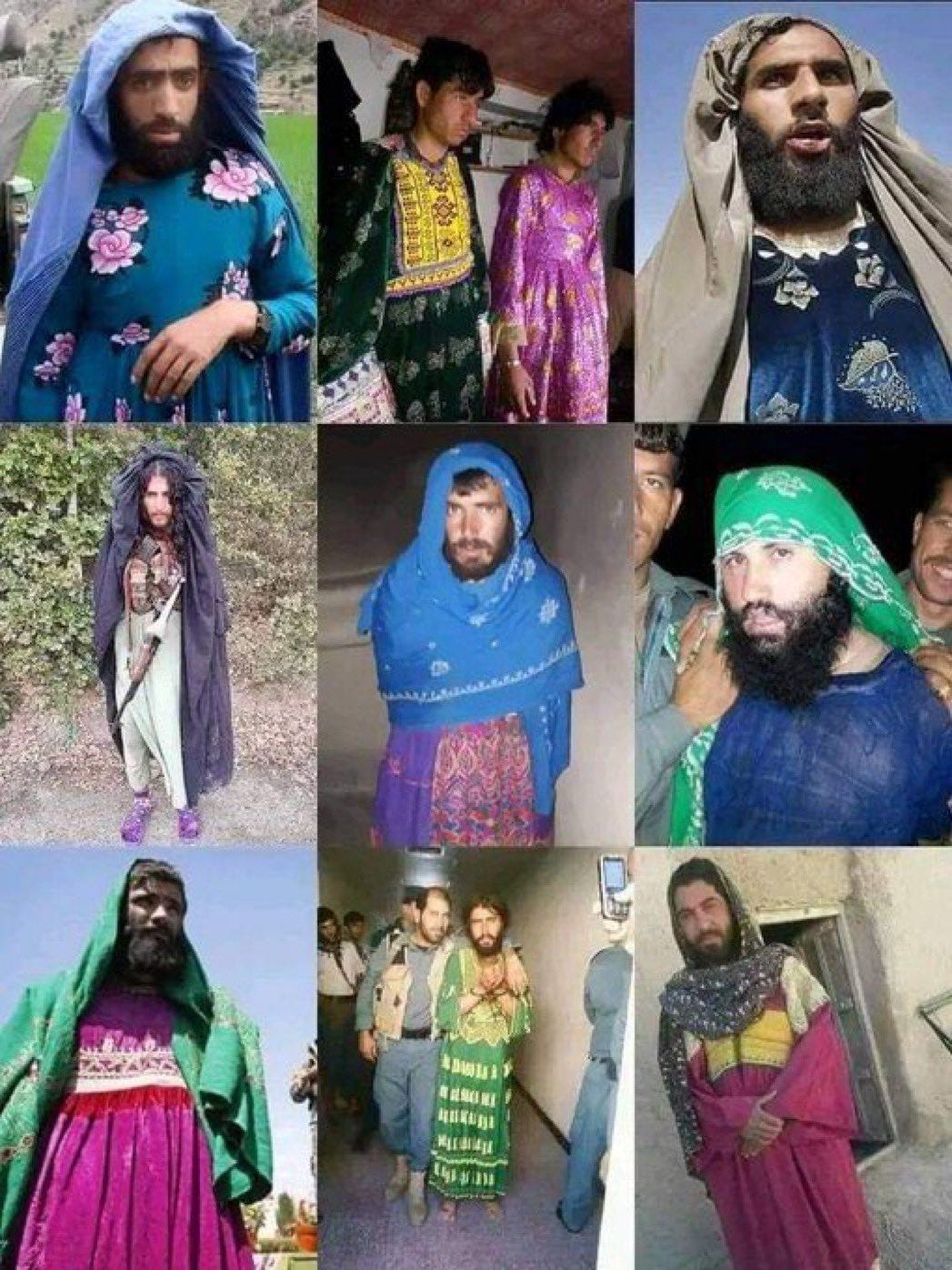
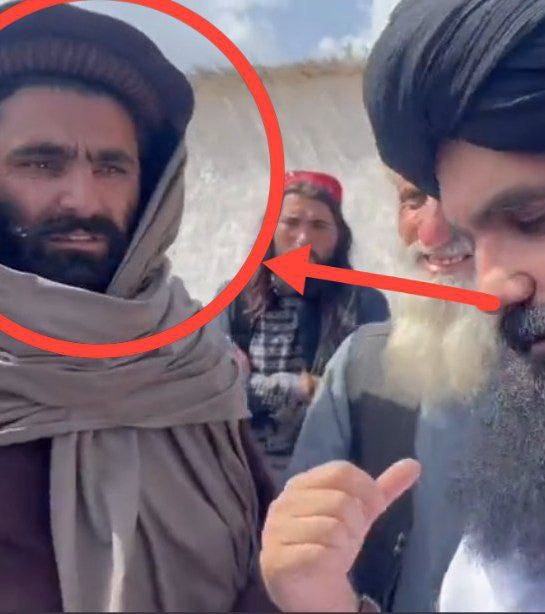
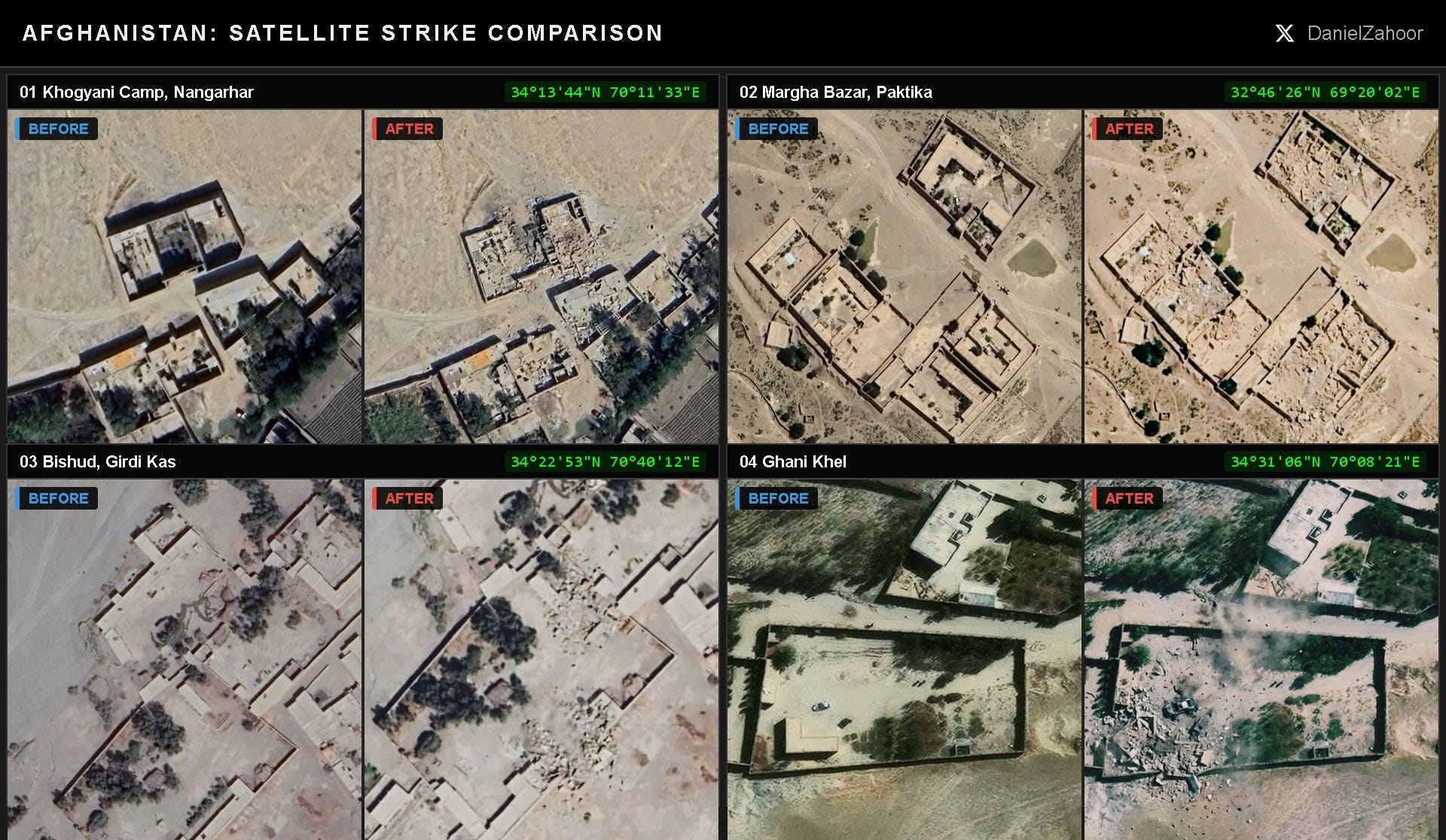
As expected, the Taliban leadership cried foul, claiming women and children were targeted (see examples above), and a violation of Afghanistan’s sovereignty for Pakistan to carry out kinetic strikes on their soil, promising retaliation for the attacks. In their initial statements, the Taliban attempted to paint the attacks as strikes on innocent civilians, apparently not coordinating their propaganda with the TTP, who issued a statement that all the camps struck were military camps being used to train terrorists.


During a supposed meeting, held in Kabul, on Monday, 23 Feb, Haibatullah Akhundzada, Sirajuddin Haqqani, Mullah Yaqoob, and Abdul Ghani Baradar, as well as other senior Taliban leaders in attendance. There are reports close aides of Noor Wali Mehsud, the leader of the TTP, and Basher Zeb, the leader of the Baluchistan Liberation Army (BLA) were also in attendance.
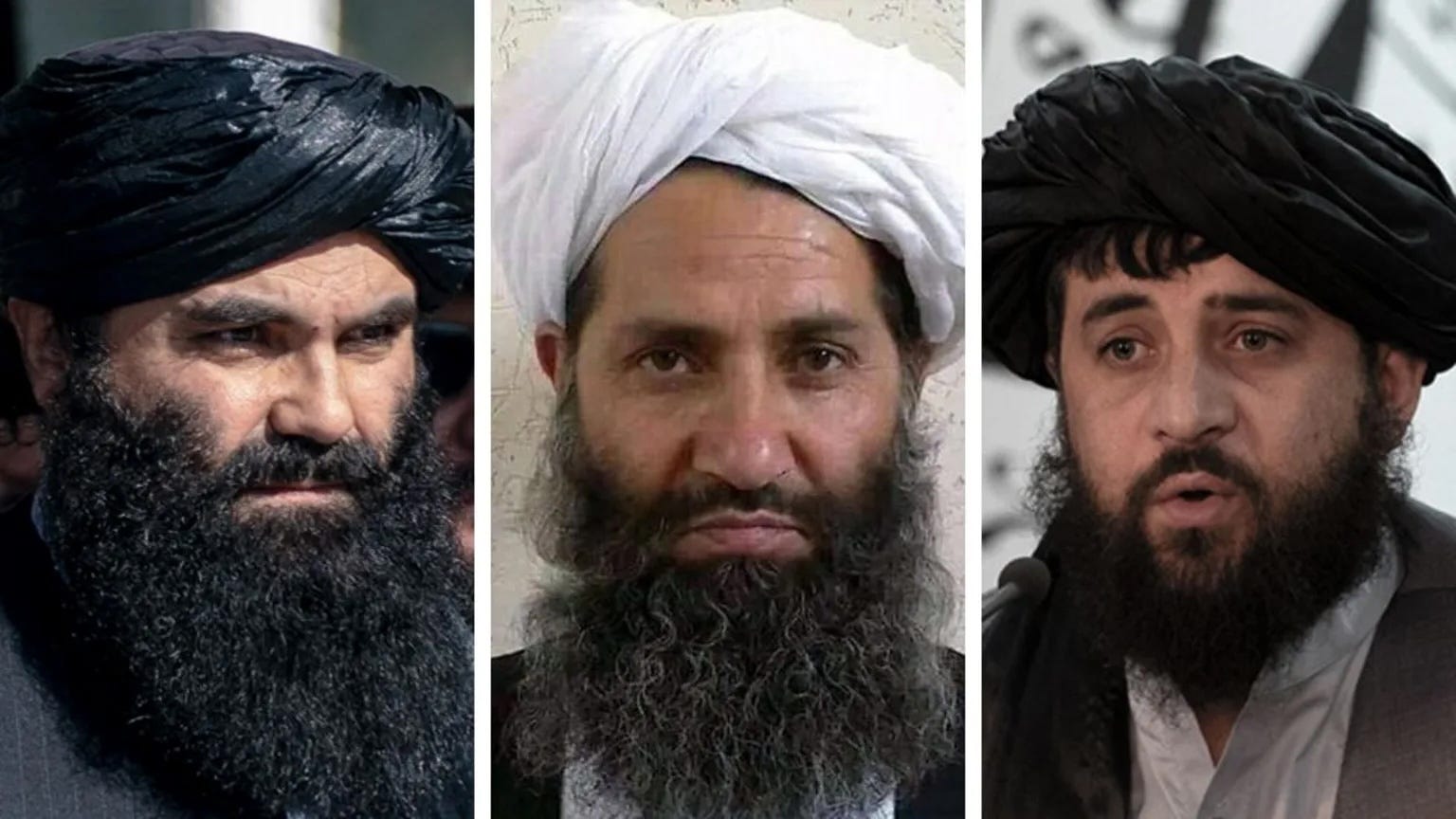
These are the same Taliban and terror group leadership that ran to bunkers when Pakistan started kinetic strikes in Afghanistan.
The whereabouts of Noor Wali Mehsud are still unknown after reports he was snatched after leaving a meeting of TTP commanders in Khost.
Sources claim the meeting turned into heated arguments.
BACK THE MISSION
The intel doesn’t stop - and neither do the threats.
If you depend on SDN to stay ahead of the curve, upgrade to SDN Intel Alerts. Fast, stripped-down intelligence delivered straight to you.
Independent. Unfiltered. Actionable.
